
- Approximate light
- 1500–2500 fc
- Day temperature
- 16–26 °C
- Relative humidity
- 55–75%
This is general guidance by genus. Species, hybrids, potting mix and your home conditions may call for different care. Check moisture and actual growth before following a schedule.
Light and position
Bright filtered light in summer; more light in winter once the leaves drop.
When and how to water
Water generously with good drainage during growth. Deciduous types such as L. aromatica need much less after leaf fall; L. skinneri should not receive a completely dry rest.
Potting mix and container
A moisture-retentive mix of fine bark, perlite and some humus.
Feeding during growth
Fortnightly feed while in leaf; none during rest.
When to repot
Every two years, at the end of rest and just before the new growth.
Dormancy and seasonal changes
Identify the species: deciduous types rest with much less water; evergreen types retain light moisture. Do not confuse leaf loss from damaged roots with normal dormancy.
Flowering and new growth
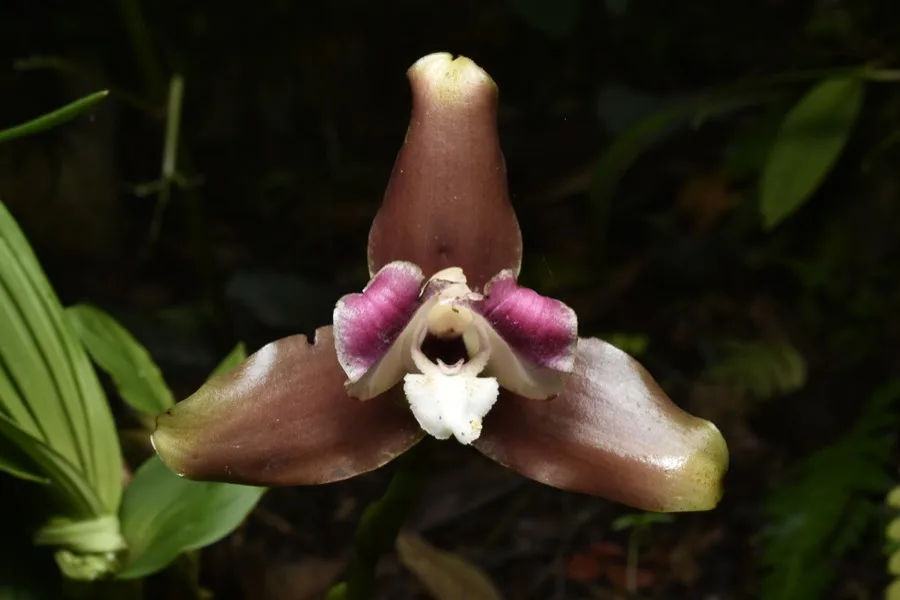
Several single flowers on stems from the base of the pseudobulb, at the end of the rest period. The cool, dry rest. Watering it through winter stops it flowering.
What to watch for
Some species develop stiff tips on leafless pseudobulbs. Handle carefully and check whether your species is deciduous before reducing watering.
A FloraFlor care guide based on its app library, with editorial revisions for the web. Sources and further reading: American Orchid Society · Orchid care. No affiliation or endorsement is implied.
Let your plant set the pace
Save your Lycaste in FloraFlor, note when you watered it and record photos of its changes. Adjust reminders to your season and hemisphere, and log care after you have actually done it.
← See all orchid care guides